
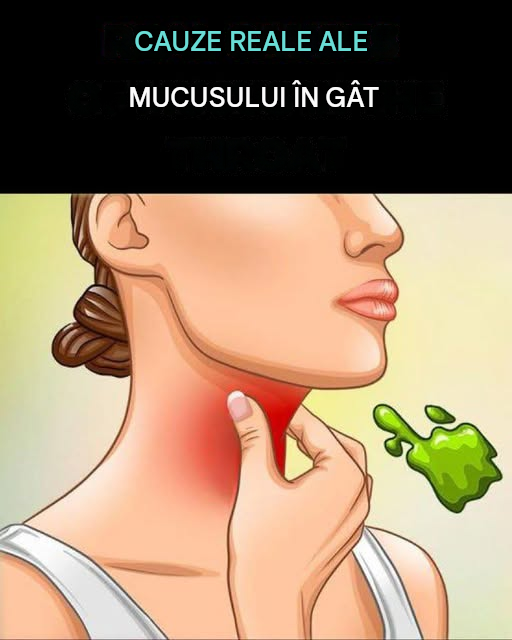
1. Acid reflux (silent reflux)
Acid reflux, particularly its less obvious form known as silent reflux or gastrolaryngeal reflux disease (GLR), is a leading cause of persistent mucus buildup in the throat. This condition occurs when the lower esophageal sphincter, the valve between the stomach and esophagus, malfunctions and allows stomach acid to flow backward up the esophagus. Unlike typical acid reflux that causes noticeable heartburn, silent reflux often manifests only through throat symptoms such as constant mucus, a sensation of a lump in the throat, hoarseness, or chronic cough.
Because silent reflux lacks the classic digestive discomfort, it often goes undiagnosed and untreated. The acidic irritation stimulates the mucous membranes in the throat to produce excess mucus as a protective response. This can lead to a persistent need to clear the throat and a feeling of congestion even without nasal symptoms.
ADVERTISEMENT
- Typical signs include throat clearing, hoarseness, and chronic cough without heartburn.
- Symptoms may worsen after eating, lying down, or consuming acidic or spicy foods.
Natural approaches can help manage acid reflux-related mucus. For example, diluting
apple cider vinegar in water taken before meals may support stomach valve function and reduce reflux episodes. However, persistent symptoms warrant evaluation by a healthcare professional, as untreated reflux can lead to complications.
2. Antacid medications impact
Proton pump inhibitors (PPIs) and other antacid medications are commonly prescribed to reduce stomach acid in patients with reflux disease. While these medications effectively lessen acid production and relieve heartburn, their long-term use may paradoxically worsen mucus buildup in some cases.
Suppressing stomach acid can impair digestion and disrupt the natural barrier against
bacterial overgrowth in the gut. This may lead to increased reflux episodes of non-acidic stomach contents or delayed gastric emptying, both contributing to throat irritation and mucus production.
ADVERTISEMENT
- Long-term PPI use is associated with altered gut microbiota and potential nutrient malabsorption.
- Reduced acid can impair protein digestion, potentially affecting the function of the lower esophageal sphincter.
A natural adjunct to antacid medications includes betaine hydrochloride supplements taken before meals to support digestion and stomach acid levels. However, these should be used under medical supervision. Patients should not
discontinue prescribed antacid therapy without consulting their healthcare provider.
3. Postnasal drip from sinus infections
Postnasal drip is a common cause of excess mucus in the throat. It occurs when inflamed or infected sinuses produce excessive mucus that drains down the back of the throat. This can be triggered by viral, bacterial, fungal, or yeast infections leading to chronic sinusitis.
The constant drainage irritates the throat, causing coughing, throat clearing, and a sensation of mucus accumulation. Unlike allergic causes, infectious postnasal drip may be accompanied by facial pressure, nasal congestion,
and sometimes fever.
ADVERTISEMENT
- Chronic sinus infections often involve biofilms that protect microbes from antibiotics.
- Symptoms typically persist beyond 10 days or worsen after initial improvement.
Natural remedies can support sinus health and reduce biofilm formation. Using a neti pot with distilled water, sea salt, and antimicrobial agents like grapefruit seed extract can help clear sinus passages and reduce mucus drainage. Persistent or severe sinus infections require evaluation by an ENT specialist.
4. Overuse of antibiotics effects
While antibiotics are effective against bacterial infections, their overuse can lead
to imbalances in the microbial flora of the sinuses and throat. Antibiotics do not target fungi or yeast such as Candida, which may then proliferate unchecked, causing persistent mucus production and chronic sinus congestion.
Repeated courses of antibiotics can disrupt the natural defenses and promote resistant infections, complicating mucus-related symptoms. This phenomenon underscores the importance of accurate diagnosis before antibiotic use.
ADVERTISEMENT
- Antibiotics can kill beneficial bacteria that normally control fungal growth.
- Fungal or yeast overgrowth may require antifungal treatment rather than antibiotics.
Natural alternatives with antimicrobial properties,
such as black elderberry, aged garlic, and oregano oil, may support immune defense and microbial balance. However, any infection suspected of needing antibiotic treatment should be managed under medical guidance.
5. Dietary triggers: grains and dairy
Diet plays a significant role in mucus production. Grains and dairy products are common dietary triggers for some individuals. Grains contain antinutrients like phytic acid, which can impair mineral absorption and disrupt gut flora. Gluten, a component of many grains, may provoke autoimmune or inflammatory reactions in sensitive individuals, leading to increased mucus production
in the sinuses and throat.
O resto si pe aver rig
